


The Hidden Dangers of Iron in Your Water: Stains and Plumbing Damage

Updated: Apr 25
Iron in Water: Understanding the Impact and Solutions
======================================================
Iron in water is a common problem that many homeowners face without realizing the full extent of its impact. While a rusty tint or unpleasant taste might be the first signs, the consequences go far beyond aesthetics. Iron causes staining and destroys plumbing, leading to costly repairs and ongoing maintenance issues. Understanding how iron affects your water and plumbing system can help you take the right steps to protect your home and health.

Rust-colored water from a faucet caused by iron contamination
What Causes Iron in Water?
Iron enters water supplies naturally when groundwater passes through iron-rich soil and rock formations. It can also come from corroded pipes or well casings. There are two main types of iron found in water:
Ferrous iron: Dissolved iron that is clear when in water but turns reddish-brown upon exposure to air.
Ferric iron: Particulate iron that appears as rust-colored particles suspended in water.
Both types contribute to staining and plumbing damage, but ferrous iron is often harder to detect until it oxidizes.
How Iron Causes Staining
One of the most visible effects of iron in water is staining. This happens when iron oxidizes and forms rust, which leaves reddish-brown marks on fixtures, laundry, and surfaces. Common places where iron stains appear include:
Bathroom sinks and tubs
Toilets
Laundry machines and clothes
Kitchen sinks and countertops
Iron stains are stubborn and difficult to remove. Over time, they can become permanent, affecting your home's appearance and value. For example, iron stains on white laundry can turn clothes yellow or orange, requiring special detergents or treatments to restore them.
The Impact of Iron on Plumbing Systems
Iron doesn’t just stain surfaces; it also damages plumbing systems in several ways:
1. Pipe Corrosion and Clogging
Iron particles can accumulate inside pipes, especially in older plumbing made of galvanized steel or iron. This buildup narrows the pipe diameter, reducing water flow and increasing pressure. Corrosion caused by iron accelerates pipe deterioration, leading to leaks and bursts.
2. Damage to Water Heaters and Appliances
Iron deposits settle in water heaters, reducing their efficiency and lifespan. The buildup acts as an insulating layer, making heaters work harder and consume more energy. Appliances like dishwashers and washing machines also suffer from iron deposits, which can clog valves and reduce performance.
3. Increased Maintenance Costs
Homes with iron-contaminated water often require frequent plumbing repairs and appliance replacements. The cost of fixing clogged pipes, replacing corroded parts, and treating stained surfaces adds up quickly.
Signs You Have Iron in Your Water
Recognizing iron contamination early can save you from costly damage. Look for these signs:
Water with a reddish or brown tint
Metallic taste or odor in water
Orange or rust-colored stains on sinks, tubs, or toilets
Clothes turning yellow or orange after washing
Reduced water flow or pressure
Frequent plumbing repairs or appliance issues
If you notice any of these, having MPS test your water for iron content is a good next step.

Testing and Measuring Iron Levels
Water testing kits are available for home use, but professional testing provides more accurate results. Iron concentration is measured in parts per million (ppm):
Less than 0.3 ppm: Generally acceptable for drinking water and will taste good.
0.3 to 3 ppm: Noticeable staining, taste issues, hair changes color, etc.
Above 3 ppm: Significant staining and plumbing damage risk with possible damage to the pump system.
Knowing your iron levels helps determine the best treatment method.
Solutions to Remove Iron from Water
MPS offers several treatment options that can reduce or eliminate iron from your water supply:
Water Softeners
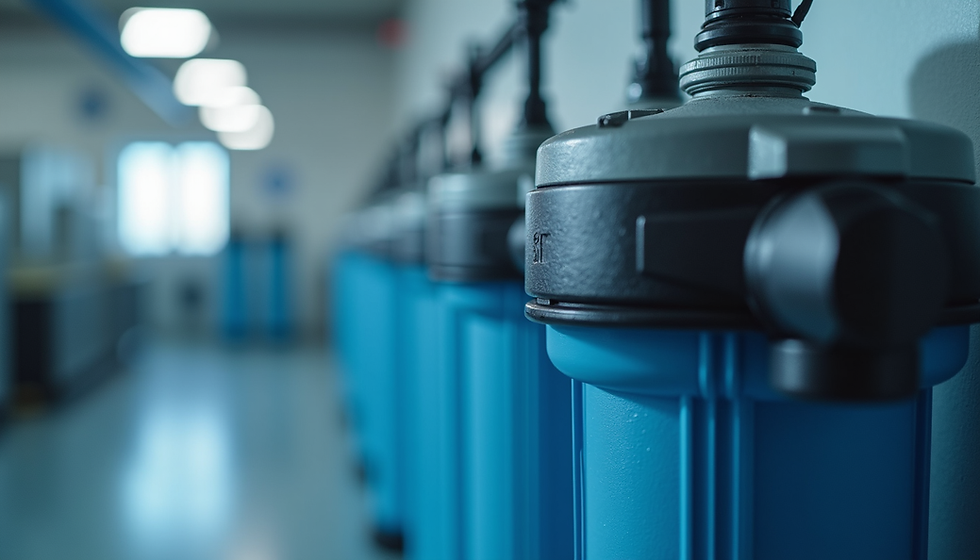
Water softeners use ion exchange to remove ferrous iron, along with hardness minerals such as calcium and magnesium. They work well for low to moderate iron levels but may struggle with ferric iron or high concentrations. MPS only uses a softener with iron removal in specific situations. Our iron filters normally remove more iron without customers having to add salt to the system monthly.
Oxidation Filters
These filters expose water to oxygen or chemicals like chlorine to convert dissolved iron into solid particles, which are then filtered out. MPS prefers systems designed with some form of oxidation to reduce the amount of chemicals used. They are effective for both ferrous and ferric iron.
Reverse Osmosis Systems
Reverse osmosis (RO) systems provide high-quality water by forcing it through a membrane that removes iron and other contaminants. RO is often used for drinking water but may not be practical for whole-house treatment.
Chemical Treatments
Chemical oxidizers such as chlorine or potassium permanganate can be injected into water to precipitate iron, followed by filtration. This method requires careful handling and maintenance.

Preventing Iron Damage in Plumbing
Besides treating water, homeowners can take steps to protect plumbing:
Use corrosion-resistant pipes like PVC or copper instead of iron or galvanized steel.
Regularly flush water heaters and appliances to remove sediment buildup.
Schedule professional inspections to catch early signs of corrosion or clogging.
Real-Life Example: Iron Damage Costs
A homeowner in middle Tennessee noticed orange stains on laundry and sinks. Testing revealed iron levels of 4 ppm. Over two years, the buildup caused pipe clogging and water heater failure. Repair and replacement costs exceeded $6,000. After installing an oxidation filter and replacing old pipes, the water quality improved, and maintenance costs dropped significantly.
Why Iron Removal Matters Beyond Appearance
Iron in water is more than a cosmetic issue. It affects water taste, can stain clothes and fixtures, and can cause plumbing damage, leading to expensive repairs. Untreated iron contamination reduces water efficiency and appliance lifespan, increasing household expenses. Iron will quickly ruin or cause failure in on-demand water heaters and can damage other appliances such as dishwashers, ice makers, and washing machines.
Taking action to test and treat iron in your water protects your home’s plumbing, maintains water quality, and saves money in the long run.
Conclusion
We stand ready to help solve your water problems. For over a century, our family has provided water wells, pumps, and filtration services. We offer comprehensive testing and a range of solutions. Need a new water well and/or submersible pump? We often have a 5-year warranty on products. We want you to be happy. What do you need today?


Comments